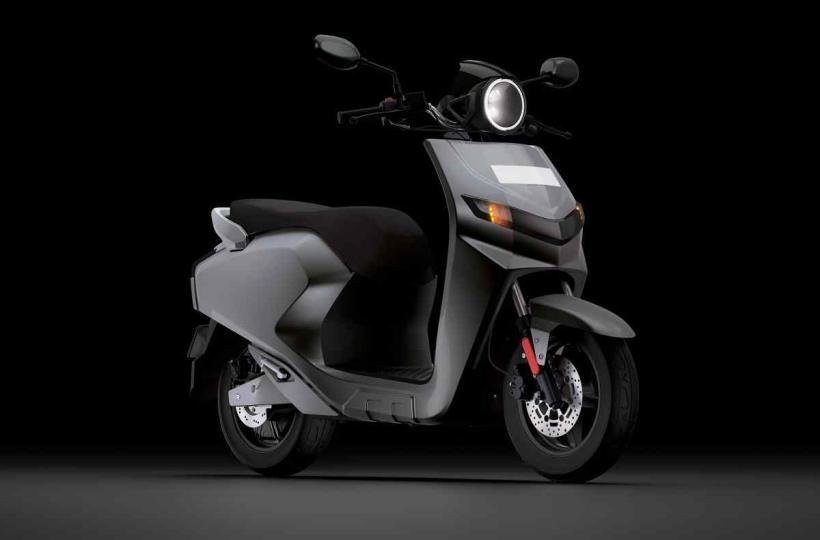
India is witnessing a silent revolution on its roads — the shift from petrol-powered scooters to eco-friendly electric scooters (EV scooters). With rising fuel costs, increasing environmental concerns, and government incentives, electric scooters are no longer just a trend; they are shaping the future of urban mobility in India.
India is one of the largest two-wheeler markets in the world. However, traditional scooters contribute significantly to carbon emissions and air pollution. As cities grow more crowded and air quality declines, the need for cleaner and smarter transportation is urgent.
Electric scooters offer a perfect solution — zero tailpipe emissions, low maintenance, and cost efficiency.
The Indian government is playing a major role in boosting EV adoption through initiatives like:
FAME II Scheme (Faster Adoption and Manufacturing of Hybrid & Electric Vehicles) — offering subsidies on EV purchases.
State-level EV policies — with incentives for buyers, road tax exemptions, and charging infrastructure support.
Push for localization — promoting “Make in India” for EV components and batteries.
This strong policy framework ensures that the electric scooter industry continues to grow at a rapid pace.
Modern electric scooters are not only eco-friendly but also smart and stylish. Some of the latest innovations include:
Swappable and fast-charging batteries
Longer riding range (up to 150+ km)
IoT and smart connectivity features like GPS, mobile app control, and anti-theft systems
Improved performance with instant torque and smooth acceleration
These advancements make EV scooters ideal for both urban commutes and last-mile deliveries.
An electric scooter costs much less to run compared to a petrol scooter. While the initial price may be slightly higher, the running cost per km is just 10–15% of petrol scooters. With fewer moving parts, EVs also require less maintenance and servicing, offering long-term savings for owners.
The charging ecosystem in India is rapidly expanding. From home chargers to public charging points in malls, offices, and fuel stations — accessibility is improving fast. Battery swapping networks are also being established, making EV ownership even more convenient.
The Indian EV scooter market is projected to grow by more than 30% annually over the next decade. Major players like Ola Electric, Ather Energy, Hero Electric, and TVS are leading the way with innovative models.
In the coming years, as battery technology becomes cheaper and more efficient, EV scooters will likely dominate India’s two-wheeler segment.
The future of electric scooters in India looks bright and unstoppable. With strong government support, advancing technology, and rising environmental awareness, EV scooters are set to redefine the way India moves.
The journey toward a greener and cleaner tomorrow has already begun — and it’s powered by electricity. ⚡